NEUROSTIMULATION
Neurostimulation: a major advance in the therapeutic arsenal
Neurostimulation, as a non-pharmacological intervention, represents a rapidly expanding field of biomedical research and therapy. It is progressively establishing itself as an alternative or complement to pharmacological treatments for several resistant pathologies.
Different approaches have been developed depending on the target (brain, peripheral nerves, spinal cord, abdominal vagus nerve, etc.) and the pathologies treated (neurological, psychiatric, chronic pain, etc.).
These include invasive techniques such as deep brain stimulation; and non-invasive techniques such as transcranial magnetic stimulation (TMS), transcranial electromagnetic therapy (TEMT), transcranial electrical stimulation (tES), transcranial focused ultrasound (tFUS), Gamma visual and/or auditory stimulation (SVAG), transcranial photobiomodulation (tPBM).
Non-invasive Brain Neurostimulation: Promising Therapeutic Perspectives in the Treatment of Neurodegenerative Diseases
Non-invasive Brain Stimulation (NIBS), unlike deep brain stimulation which requires electrode implantation, modulates brain activity without surgical intervention. Its rapidly growing applications, supported by encouraging clinical results, offer promising avenues, particularly for the treatment of neurodegenerative diseases including Alzheimer’s.
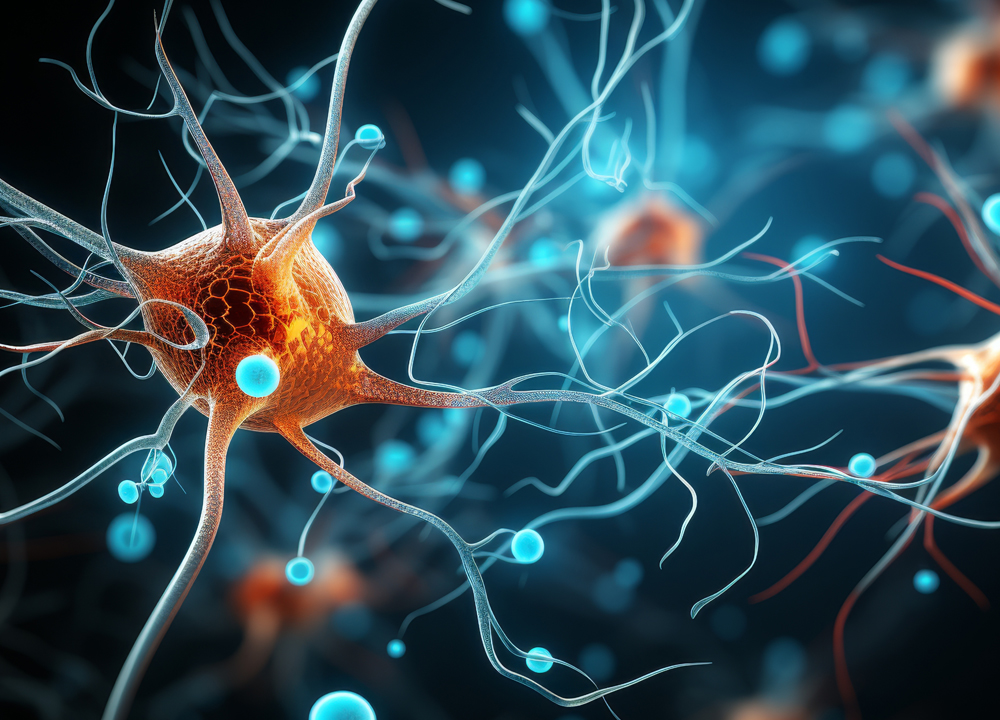
NIBS encompasses several techniques based on the targeted application of electrical, magnetic, ultrasonic, or photonic stimuli. It allows for direct modulation of brain activity by leveraging, depending on the technique used, several mechanisms (synaptic plasticity, neuronal excitability, neuronal connectivity, mitochondrial stimulation, inflammation modulation, etc.).
Overview of different NIBS techniques in Alzheimer’s disease
TMS uses magnetic pulses to induce electrical currents in targeted brain areas, thereby modulating neuronal activity. Repetitive TMS (rTMS) applies these pulses at frequencies ranging from 1 to 20 Hz to induce lasting changes in neuronal activity through synaptic plasticity mechanisms.
TEMT uses high-frequency radio waves, typically at 918 MHz, to penetrate deeper into the brain than TMS or rTMS.
tES, particularly direct current (tDCS) and alternating current (tACS), applies electrical currents to the scalp to modulate neuronal excitability and brain oscillations. These methods aim to influence neuronal activity by modifying membrane potentials, which could affect neuronal firing frequency and synaptic plasticity in targeted areas.
tFUS uses focused ultrasound waves to stimulate specific brain regions, thereby modulating neuronal activity through thermal and non-thermal mechanisms.
SVAG presents light or sound stimuli at Gamma frequencies (25-140 Hz) to restore perturbed Gamma oscillations in Alzheimer's disease, potentially improving cognitive functions (attention and memory). While promising, the underlying mechanisms require further research.
tPBM uses red or near-infrared light in transcranial application to stimulate brain cells. It improves mitochondrial function, increases ATP production, reduces oxidative stress, and modulates inflammation. tPBM also stimulates the production of neurotrophic factors, potentially promoting neuronal survival and plasticity.
Non-invasive Brain Stimulation (NIBS), unlike deep brain stimulation which requires electrode implantation, modulates brain activity without surgical intervention. Its rapidly growing applications, supported by encouraging clinical results, offer promising avenues, particularly for the treatment of neurodegenerative diseases including Alzheimer’s.
NIBS encompasses several techniques based on the targeted application of electrical, magnetic, ultrasonic, or photonic stimuli. It allows for direct modulation of brain activity by leveraging, depending on the technique used, several mechanisms (synaptic plasticity, neuronal excitability, neuronal connectivity, mitochondrial stimulation, inflammation modulation, etc.).