
PHOTOBIOMODULATION
The essentials:
Photobiomodulation uses low-intensity light emission from laser or LED sources to regulate biological functions and achieve therapeutic effects (analgesic, anti-inflammatory, healing).
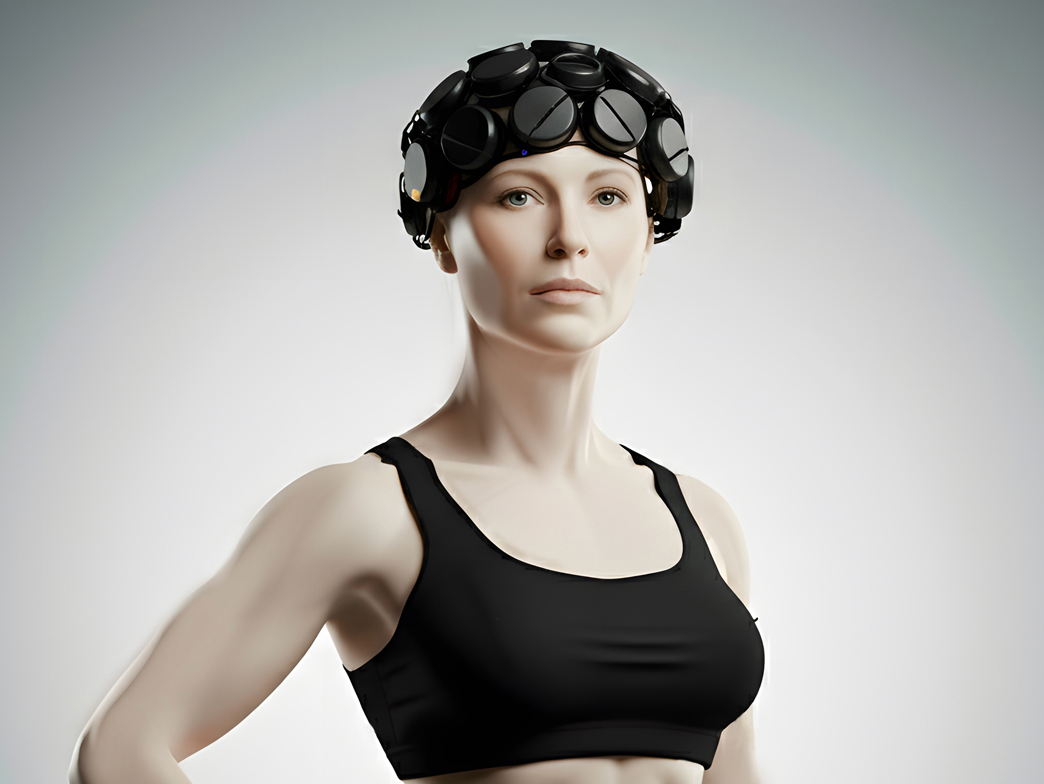
REGEnLIFE tri-photonic stimulation:
Photo/Biophotonics
Photonics is the study of photons and light rays.
Light involves wave-corpuscle duality, meaning that it can be considered as a wave (in the form of a wave) or as particles called photons.
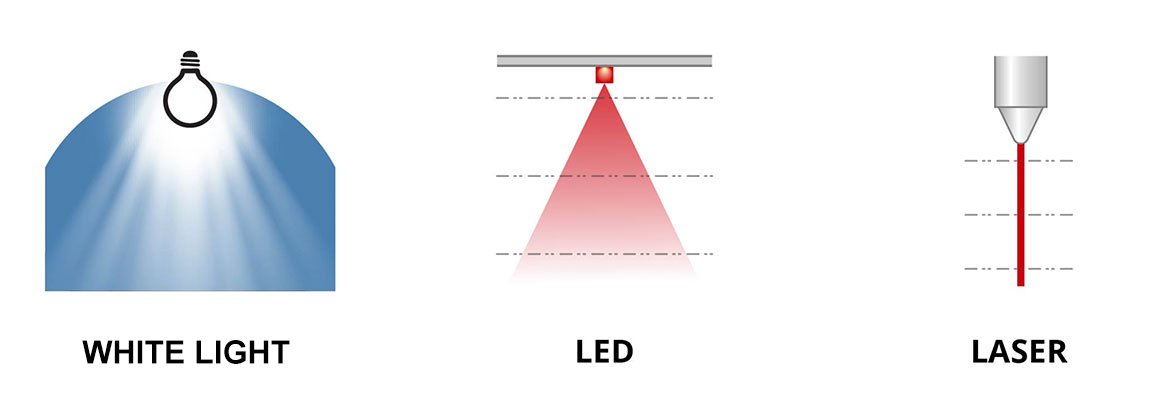
There are different types of sources:
Coherence is defined by spatial coherence (at different points in space, the wave has the same properties at a given instant), and temporal coherence (at the same point in space, the wave has the same properties at two different instants).
Biophotonics is a new science that combines biology and photonics
It concerns the use of light to analyze biological objects and their modifications. Generally speaking, its aim is to study the interaction between light and living organisms (including the development of optical microscopy tools for imaging living cells and tissues). It is at the heart of this science that the principles of photobiomodulation have emerged.
Photobiomodulation
From biophotonics, a therapeutic technique based on complex, specific mechanisms.
Photobiomodulation refers to the chemical reactions that take place in cells exposed to light (also known as biostimulation or Low Level Laser Therapy – LLLT). John Harvey Kellog first used a light bath to treat his patients in 1891, relying on the special properties of light. In 1903, Niels Ryberg Finsen was awarded the Nobel Prize in Physiology or Medicine for his work on phototherapy and the treatment of diseases with concentrated light. The invention of the laser in 1960 took phototherapy a step further, with the first ruby laser treatment of a tumor in 1963.
Overall operation
Photobiomodulation involves the interaction between light and biological tissues to achieve a therapeutic effect. Not all aspects are yet well understood, and certain hypotheses remain to be explored. However, the overall operating mechanism is well known.
Red and/or near-infrared (NIR) light applied to biological tissue acts on mitochondria. It is absorbed by chromophores, which are membrane proteins called cytochrome c-oxidase (COX) acting as photoacceptors.
The absorbed rays trigger a number of phenomena in the cells::
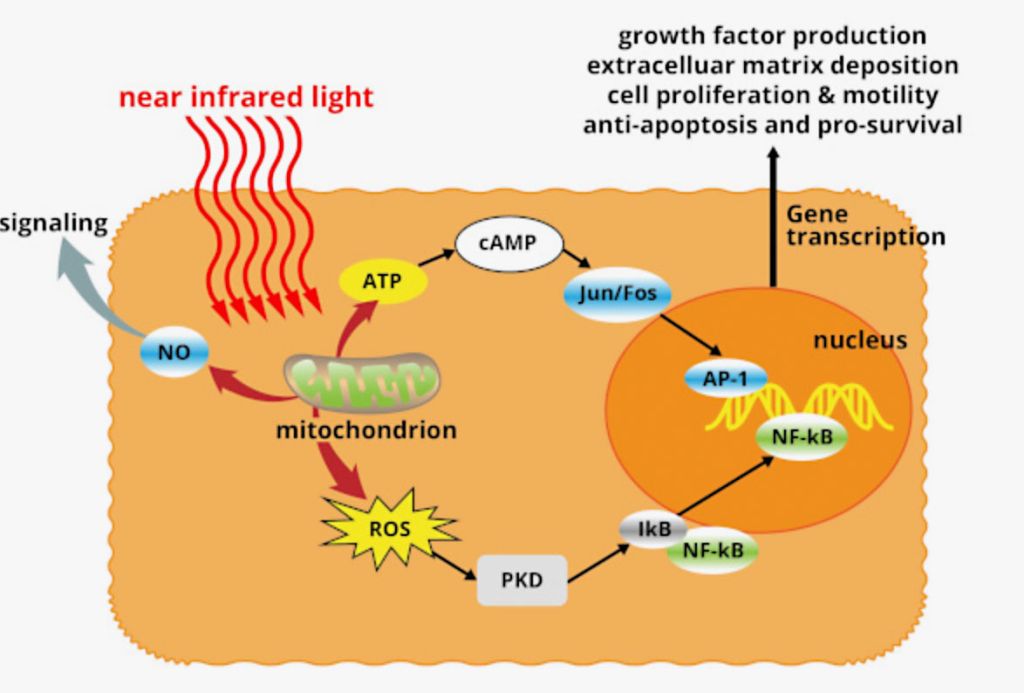
Some of these phenomena cause a cascade of signals leading to gene transcription to promote cell reproduction, increased blood flow and anti-inflammatory effects. These effects, with their therapeutic potential, can lead to cerebral modulation and neuroplasticity for improved brain function.
Dosimetry control: Tri-Photonic stimulation from Regenlife
To achieve the desired effects on biological tissues, the choice of source settings is crucial. REGEnLIFE’s tri-photonic stimulation relies, among other things, on fine control of these parameters.
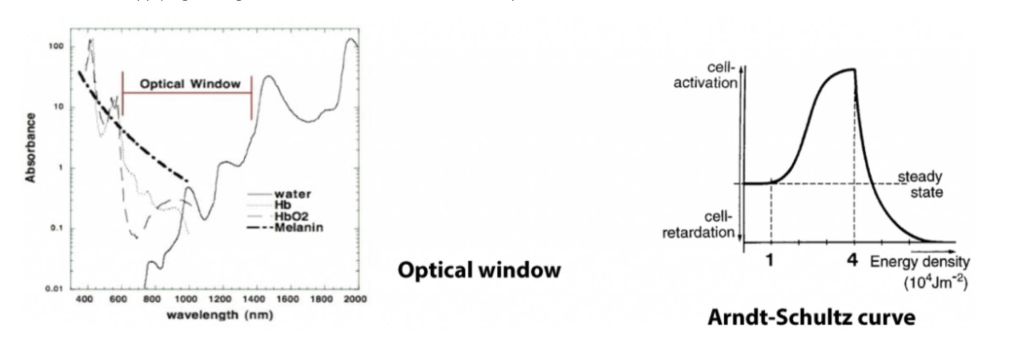
One of the crucial parameters is the wavelength, the choice of which depends on the type of tissue to be treated. For this purpose, an optical window has been defined in the red and near infrared (NIR) between 600 and 1200 nm. This window depends on the absorption coefficients of biological components (water, hemoglobins, melanin), and enables deeper penetration. The wavelength determines the depth of penetration. But effectiveness depends on the therapeutic dose (fluence or irradiance) and therefore on the power of the source to have physiological and clinical effects. Fluence refers to the energy delivered per unit area, irradiance to the power delivered per unit area. The dose applied then follows Arndt-Schulz’s Law, according to which there is an optimal dose window. In other words, applying too low a dose has no effect, applying a sufficient dose is beneficial, applying too high a dose is harmful. Optimal doses for effects on cells have been measured between 1 and 4 J/cm².
Transcranial Photobiomodulation
Transcranial photobiomodulation and its potential for photonic penetration of the brain represent a major challenge for achieving the desired therapeutic effects.
A number of studies have been carried out on this subject. Theodore A Henderson et al. studied the penetration of light through various human tissues, comparing the penetration of light sources at 660 nm, 808 nm and 940 nm. They demonstrated that light at 880 nm penetrated the deepest through the scalp, skull and brain, reaching a depth of around 40 mm.
The study concluded that 2.9% of light penetrated 3 cm deep through the skull and brain of an ex-vivo lamb, and 17% penetrated 2 mm of human skin.
Finally, applying between 55 and 81 J/cm² to the skin surface delivers 0.8 to 2.4 J/cm² at 3 cm depth without damaging the skin. [1]
Anders J. J et al. measured the fluence in the brain for a coronal section at different depths, which led them to conclude that between 0.06 and 0.09% of the light applied at the surface penetrates to a depth of 3 cm.[2] The result is a very high level of fluence.
Jagdeo et al [3] used intact human heads (skull and tissue) to measure light penetration at 830 nm (0.9% penetrates the temporal region, 2.1% the frontal region, 11.7% the occipital region). Red light at 633 nm is difficult to penetrate.
Increasing power does not improve penetration, but it does increase the quantity of photons reaching the given depth (however, if the power is too low, less penetration is achieved). A good compromise between fluence and irradiance, and therefore treatment time, must be found if beneficial effects are to be achieved [4].
In this way, a sufficient quantity of photons can reach the cerebral cortex. When applied transcranially, the increased local blood flow and ATP production enable repair of the nervous system. The information transmitted leads to neuroplasticity, which in turn improves brain function. However, reaching deeper areas, such as the substantia nigra at the root of certain neurodegenerative pathologies like Parkinson’s disease, is not currently possible using non-invasive transcranial methods. Despite these limitations, photobiomodulation already offers major therapeutic prospects in neurology.
Systemic therapeutic strategies such as head-abdomen application, developed by REGEnLIFE to target the brain-gut axis, offer even greater prospects.².