


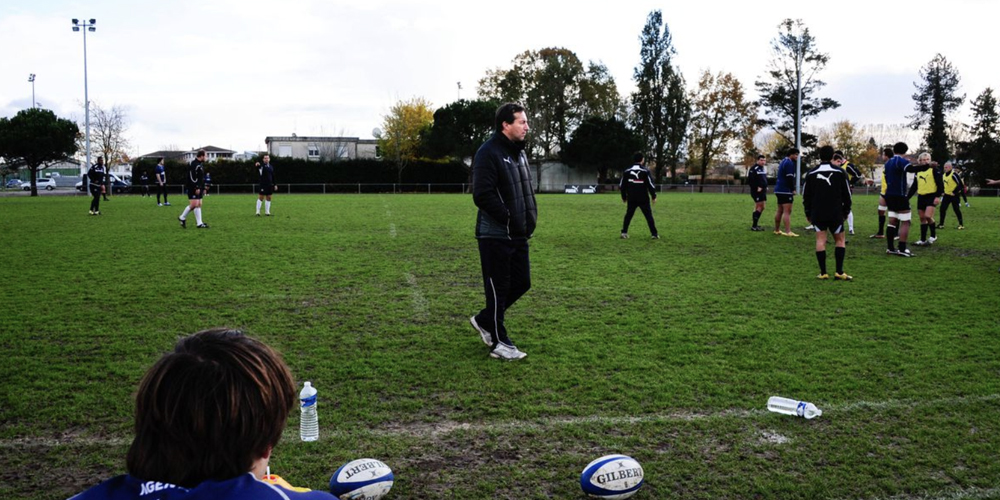
Concussions are a growing concern in sport, and many athletes suffer the long-term effects. Rugby legend Philippe Sella has had first-hand experience. He collapsed during his first international match against Romania in 1982 and returned to the game after a quick examination. This incident left him with memory loss that lasted a lifetime.
Sella’s experience is not unique. Other athletes, such as Sébastien Chabal, have also suffered concussion-related problems. Chabal revealed that he could not remember any of his 62 international matches. Former French footballer Raphaël Varane spoke of the impact of head injuries on his game. Cléopâtre Darleux, French handball player, retired after repeated concussions.
Rugby is at the forefront of concussion management protocols. Players now have to wait 15 days to three weeks before returning to play after a concussion. In contrast, footballers can return to play in as little as six days. This difference in protocol has sparked debate about player safety.
French start-up Regenlife is working on a non-invasive device to reduce the symptoms of concussion. The device uses light stimulation to modulate brain inflammation. Sella is part of a group testing the device and reports feeling better. The company is conducting trials in three French hospitals and expects European certification by the end of the year.
Understanding concussion
Concussions can be acute or chronic. Acute concussions occur after head trauma and lead to neurological problems. Chronic concussions result from repeated head trauma, leading to long-term problems such as memory loss, depression and even degenerative diseases like Alzheimer’s or Parkinson’s.
Dr Patrice Cristofini, CEO of Regenlife, explains that concussions can cause micro-lesions and inflammation in the brain. Although some concussions are not visible on MRI, they can nevertheless have a significant impact on athletes. The recommended treatment is usually rest and anti-inflammatory medication.
Prevention and treatment
Rugby has strict concussion protocols in place, including a 10-minute decision-making process during matches. Soccer has also adopted concussion replacement protocols, with decisions made within three minutes. However, some athletes refuse to be replaced, preferring to continue playing.
Regenlife’s device aims to reduce concussion symptoms and potentially prevent long-term damage. The company believes that light stimulation can help modulate brain inflammation and promote recovery. Other athletes, such as French equestrian Zazie Gardeau, have used the device as part of their rehabilitation.
Gardeau suffered a serious head injury during an equestrian activity, leaving her comatose and paralyzed on one side. Thanks to the Regenlife device, she has seen a marked improvement in her speech, balance and memory. Her story highlights the potential benefits of innovative treatments for concussion-related problems.