
Concussion
Affecting more than 6 out of 1000 people, concussions are one of the most common injuries in sports (5% of sports injuries*). In the United States, 1.6 to 3.8 million concussions occur annually**. Often underestimated and misdiagnosed, these lesions, resulting from an impact, disrupt brain function and expose individuals to increased, sometimes persistent, cognitive risks and neurodegenerative diseases***, such as chronic traumatic encephalopathy. In the absence of specific curative treatment, management remains limited to targeted interventions for persistent symptoms.
* Journal of Rehabilitation Medicine, (2004)
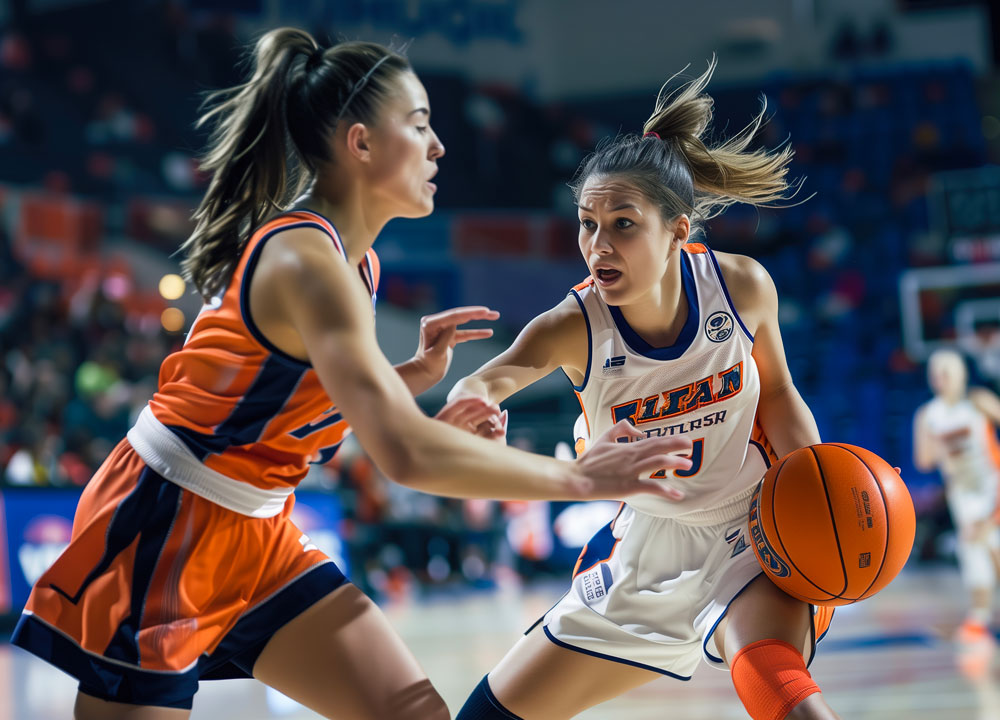
In sports, the primarily affected sports are:
The RECOVERY Pilot Study on Concussion
With Dr. Jean-François Chermann (neurologist), Dr. Philippe Malafosse (sports physician), and Prof. Jacques Touchon (neurologist and psychiatrist), REGEnLIFE launched a pilot clinical trial (RECOVERY) in October 2022 to evaluate its technology, the RGn550, for concussion in sports (NCT05647304).
There is currently sufficient evidence in both animals and humans to hypothesize the therapeutic potential of photobiomodulation (PBM) techniques in concussions.
Promising results have been observed in mice, as well as in head trauma patients, particularly war veterans. PBM will soon be evaluated in clinical trials in athletes.
Neuroinflammation could be the preferred target for therapeutic strategies. Indeed, an inflammatory response is produced in the brain very rapidly after a concussion and, above all, it is considered to be a link between brain trauma and the development of a neurodegenerative process.
Chronic traumatic encephalopathy, a very severe neurodegenerative consequence caused by repeated concussions, is primarily associated with neuroinflammatory phenomena and the deposition of Tau protein in the brain. A comparable proteinopathy, Alzheimer’s disease, is linked to the intracerebral accumulation of two proteins (Tau and β-amyloid).
The REGEnLIFE medical device (RGn500 and RGn530) was used in a murine model of Alzheimer’s and led to behavioral normalization as well as a major reduction in inflammatory markers and characteristic markers of Alzheimer’s disease, including Tau protein.
REGEnLIFE also conducted a pilot therapeutic trial corresponding to a phase 2b in patients with mild to moderate Alzheimer’s disease.
The data were sufficient to demonstrate, on the one hand, the absence of side effects, other than minor ones, and on the other hand, the ease of use of the device. Furthermore, trends towards clinical improvement were observed in cognitive functions (executive and memory).
These preclinical and clinical results fully justify the use of PBM in concussions, where acute and chronic neuroinflammation plays an important role and where Tau protein deposits characterize chronic traumatic encephalopathy.
Thus, a controlled therapeutic trial (RECOVERY) using REGEnLIFE’s technology for concussions in athletes (mainly professional rugby and soccer players) was launched by REGEnLIFE and its team and concluded in 2023.
This first study aimed to demonstrate the safety of the device and evaluate its therapeutic efficacy on recent concussions in athletes (less than 72 hours). Each participant underwent an evaluation of their concussion symptoms, neuropsychological tests, and several specific assessments. PBM treatment involved applying a helmet equipped with several biophotonic modules to their head.
This clinical study also aims to raise public awareness of the neurological risks associated with concussions. Indeed, these occur most frequently in public road accidents and at work and are not limited to the sports world. Sports activity ranks only third among the causes.
References:
Currently, there is No Specific Drug Treatment for Concussions, and Therapeutic Interventions are Limited. REGEnLIFE is positioned to address these therapeutic challenges with a market authorization application for its innovative treatment in concussion management..
Presentation of Ongoing Work for each Indication:

First Results of REGEnLIFE’s RECOVERY Pilot Clinical Study on Acute Concussions in Athletes
The RGn550 has proven safe, well-tolerated, and effective in a pilot clinical study on concussions in athletes.